







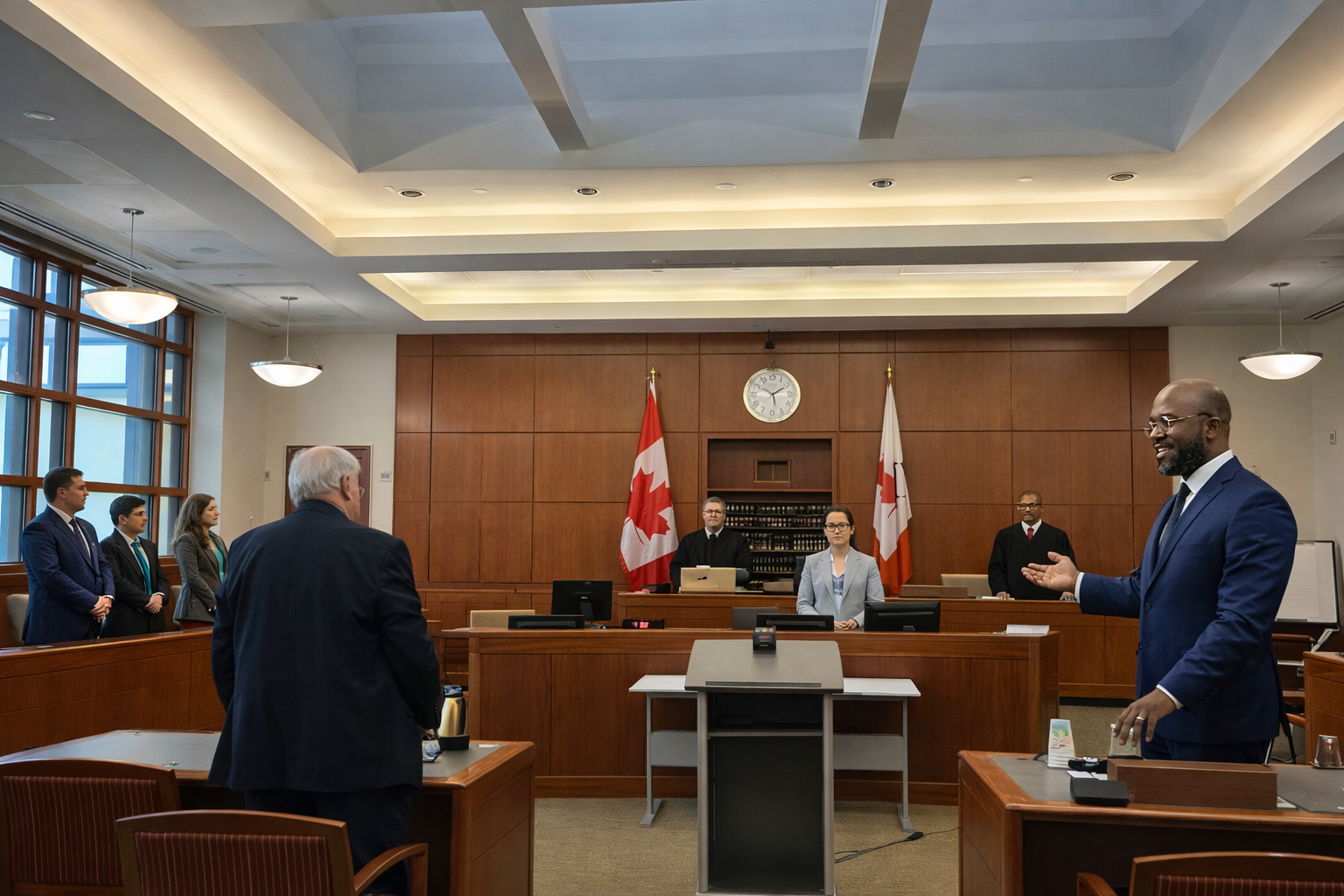
The IRB is Canada’s largest independent tribunal, making fair and impartial decisions on immigration and refugee matters, including hearings for refugee protection, immigration appeals, and detention or admissibility reviews.

Learn how refugee protection claims are assessed in Canada and the steps involved in the claim process.
Canada has a long-standing humanitarian tradition of offering protection to individuals fleeing persecution, violence, and danger. For those who fear returning to their home country due to risks to their life or freedom, making a refugee claim in Canada is the formal process of seeking asylum and protection.
This process is governed by strict legal standards and timelines. It is not simply about sharing your story—it requires demonstrating that your situation meets the legal definition of a refugee under Canadian and international law. Your claim will be assessed by the Refugee Protection Division (RPD) of the Immigration and Refugee Board, where evidence, credibility, and proper preparation play a critical role.
Understanding the refugee claim process in Canada step by step is essential for success. Many individuals search for how to apply for a refugee claim in Canada, what documents are required, and how to prepare for an RPD hearing. Proper RPD hearing preparation in Canada can significantly impact the outcome of your case.
Applicants also need to be aware of what happens if a refugee claim is refused. Knowing the RAD appeal Canada deadline is crucial to protect your rights and maintain legal status. Common concerns include what happens after a refugee claim is rejected in Canada and whether you can work while your refugee claim is in process. In many cases, eligible applicants can apply for a work permit while waiting for their hearing.

To be granted protection in Canada, you must demonstrate that you meet the definition of either a Convention Refugee or a Person in Need of Protection.
You may qualify if you are outside your home country and cannot return due to a well-founded fear of persecution based on:
You may qualify if you are currently in Canada and your removal to your home country would subject you personally to:

Not everyone is eligible to have their claim referred to the Immigration and Refugee Board (IRB). You may be ineligible if:
The path to refugee protection involves several critical stages. Each step has specific deadlines that must be met.


The refugee process is evidence-based and deadline-driven. Understanding these factors is crucial for a strong application.
At Career Plus Immigration, we understand the immense stress and uncertainty that comes with seeking protection. Our team provides the legal expertise and compassionate support you need to navigate the refugee claim process with confidence. We assist with documentation, prepare you for your RPD hearing, and guide you through each stage of the process to ensure your case is presented clearly and effectively. If you are in Edmonton or Alberta, our immigration consultants can support you throughout your refugee claim and help improve your chances of success.
Trustindex verifies that the original source of the review is Google. I had a really great experience with Career Plus Immigration Consultants Inc. My PGWP got approved in just 15 days, which honestly surprised me because I wasn’t expecting it so fast. A big thank you to Prince Sir and Paramjeet Ma’am for their amazing support and guidance throughout the whole process. They were always available whenever I needed help and made everything very easy. They are truly professional, knowledgeable, and very supportive. I would definitely recommend Career Plus Immigration Consultants Inc. to anyone applying for PGWP or any immigration services.Posted on GoogleTrustindex verifies that the original source of the review is Google. I applied my spousal application through career plus immigration and had really great experience with them they work really well on my file step by step and I got my spousal visa just in 8months which is perfectly match with application process time I really appreciated Parmjit and Princepal madam for the whole process they made really easy for me and helping me a lot at the every step of the file ill 100% recommend this place for all the immigration related purposes and thank you again to Career plus immigration.Posted on GoogleTrustindex verifies that the original source of the review is Google. I had an amazing experience with Career Plus Immigration. They guided me through every single step of the PR process, making what could have been a really overwhelming journey feel manageable and clear. Their expertise and support were invaluable, and I'm so grateful for their help in achieving my goal. Thanks to all the team and especially Shiella Ma’am for helping through all the process.Posted on GoogleTrustindex verifies that the original source of the review is Google. Big thanks to the team . I got my spousal pr Within 4 months . Career plus immigration to get help with my spousal application. From the very first day they handled my file so well , took care of all the hurdles and provided great advice throughout the case . Special thanks to Mr kanwaljit sir & their whole team . Highly recommended. Best service in Edmonton 👍Posted on GoogleTrustindex verifies that the original source of the review is Google. I would like to express my sincere gratitude to Career Plus Immigration for their outstanding service. Thanks to their expertise, my mother-in-law’s Super Visa was approved within a few months.”Posted on GoogleTrustindex verifies that the original source of the review is Google. I had a great experience with princepal, who handled my application very professionally and guided me through every step with clarity and patience. All my questions were answered on time, and the process felt smooth and stress-free. I truly appreciate their dedication and would highly recommend their services to anyone looking for reliable immigration support.Posted on GoogleTrustindex verifies that the original source of the review is Google. Thank you so much carrier plus immigration team for your earlier and Excellent service . I got work permit extension for 2 years .Really I didn’t expected.thanks really very cooperative staff overall experience is very good .Posted on GoogleTrustindex verifies that the original source of the review is Google. I want to say a big thank you to the Career Plus Immigration team for helping me with my work permit application. You did an amazing job by carefully checking all the details and keeping me updated throughout the process. I’m really happy to say that I got great results! Your hard work made everything so much easier for me. Thank you!Posted on GoogleTrustindex verifies that the original source of the review is Google. I applied my work permit along with my husband from career plus immigration consultants and it got approved yesterday. I am very happy with their service i specially want to mention one of their employee miss sheila christia who was working on my file, she is the very talented and friendly, whenever i called her she talked very calmly and guided me everything which i need. Thank u so much.Posted on GoogleTrustindex verifies that the original source of the review is Google. There’s only one word for describe their service its Supercalifragilisticexpialidocious Best service and best people you can deal with ever
What does the Immigration and Refugee Board (IRB) do?
The IRB is Canada’s largest independent tribunal, making fair and impartial decisions on immigration and refugee matters, including hearings for refugee protection, immigration appeals, and detention or admissibility reviews.
What happens at a detention review by the Immigration Division (ID)?
A detention review is a hearing to decide if someone detained by CBSA should remain in custody or be released. Reviews are held promptly and at regular intervals to protect individual rights.
What kinds of cases does the Immigration Appeal Division (IAD) handle?
The IAD hears appeals related to family sponsorship refusals, permanent resident status loss due to residency obligations, and appeals of removal orders issued by the ID or CBSA.
Can I represent myself at an IRB hearing?
Yes, but IRB proceedings can be complex. Many applicants choose professional legal representation or advice to improve their chances of a positive outcome.
How long does it take to receive a decision from the ID or IAD?
Processing times vary depending on the type and complexity of your case. Some urgent matters, like detention reviews, are heard quickly, while appeals may take several months.
What is a removal order and can it be appealed?
A removal order requires someone to leave Canada. Permanent residents, protected persons, and certain foreign nationals can often appeal removal orders to the IAD, depending on the reason for the order.
What should I do if I receive a negative decision from CBSA or IRCC?
If you receive a negative decision that affects your ability to remain in Canada, contact an immigration professional immediately. There may be strict deadlines for filing an appeal or requesting a review through the IRB.
Who is eligible to make a refugee claim in Canada?
You may be eligible if you fear persecution in your home country due to race, religion, political opinion, nationality, or membership in a particular social group, or if you are at risk of torture, death, or cruel and unusual punishment if returned.
What documents do I need for my refugee claim?
Essential documents include your Basis of Claim (BOC) form, identification, proof of your story such as police or medical reports, and any supporting evidence relevant to your situation.
How long does the refugee claim process take?
The timeline can vary, but most hearings are scheduled within a few months of submitting your claim. Timely preparation and submission of all documents are crucial for avoiding unnecessary delays.
Can I work or study while waiting for my refugee claim decision?
Yes, once your claim is referred to the IRB, you may be eligible to apply for a work permit and, in some cases, a study permit, so you can support yourself and your family during the process.
What happens if my claim is refused?
If your claim is rejected, you may appeal to the Refugee Appeal Division (RAD) or apply for a judicial review in Federal Court, depending on your case circumstances. Additional options include applying for a Pre-Removal Risk Assessment (PRRA).
Do I need a lawyer or immigration consultant to make a refugee claim?
You are not required to have legal representation, but working with a licensed immigration consultant or lawyer improves your chances of success and helps you avoid critical mistakes.
How can Career Plus Immigration help with my refugee claim?
Our trusted immigration team offers comprehensive guidance at every step-conducting detailed eligibility assessments, preparing strong documentation, representing you at hearings, and providing ongoing support until your case is resolved.
Who is eligible to appeal to the RAD?
Most individuals whose refugee claim was denied by the RPD may appeal, unless their claim falls under specific exclusions such as receiving a manifestly unfounded decision or being subject to the Safe Third Country Agreement.
What are the strict deadlines for filing a RAD appeal?
You must file the Notice of Appeal within 15 days of receiving the RPD’s decision and submit all supporting documents within 30 days. Missing these deadlines can result in your appeal not being considered.
What documents are required for a RAD appeal?
A complete Appellant’s Record is crucial, including a statement outlining errors in the RPD’s decision, all relevant evidence, and explanations for any new evidence presented.
Can I submit new evidence to the RAD during my appeal?
Yes, the RAD can consider new evidence if it was not reasonably available during your RPD hearing and is relevant to your appeal.
What outcomes can I expect from a RAD appeal?
Outcomes include the RAD allowing your appeal, dismissing it and upholding the original decision, or sending your case back to the RPD for a new hearing.
What happens if my RAD appeal is dismissed?
If your appeal is dismissed, you may have the option to request judicial review at the Federal Court. It’s important to seek professional guidance in this situation.
Why should I work with a legal representative for my RAD appeal?
The RAD process is complex and legalistic. Working with a trusted and experienced consultant increases your chances of a successful outcome and ensures your case is managed with attention to deadlines and legal requirements.
Who can be included as members of a Group of Five?
A Group of Five must consist of Canadian citizens or permanent residents who are at least 18 years old and live in the community where the refugee will settle. All members share responsibility for the sponsorship.
What is a Refugee Status Recognition document, and why is it required?
This is an official document issued by the UNHCR or a foreign government confirming the individual’s status as a refugee. It is necessary for eligibility in most G5 sponsorship cases.
Can groups sponsor more than one refugee or family at a time?
Typically, a Group of Five can only sponsor one principal applicant and their immediate family per application. Separate applications and financial resources are required for additional sponsorships.
How long does the sponsorship process take?
Processing times vary depending on the visa office abroad, completeness of the application, and other factors. It often takes several months to over a year.
What kind of financial support is required from the group?
The group must provide sufficient funds to cover housing, food, clothing, and other living expenses for the refugee and their family for the first year or until they are self-sufficient.
What happens if a group member can no longer fulfill their obligations?
All group members are jointly responsible. If one member can’t continue, the remaining members must cover the commitments to ensure ongoing support for the sponsored refugee.
How can Career Plus Immigration assist with the G5 application process?
Our accredited team provides comprehensive legal support, helps with settlement planning, and guides your group through every stage—from eligibility assessment to submitting a compliant application—ensuring you have the clarity and confidence needed for success.
Who can apply for a Refugee Travel Document in Canada?
Anyone in Canada who has been granted protected person or Convention refugee status by the IRB or IRCC is eligible to apply for a Refugee Travel Document.
Can I travel to my home country with a Refugee Travel Document?
No, you should not travel to the country you fled. Doing so may risk your protected status and could lead to cessation (loss) of your refugee or protected person status in Canada.
How long is the Refugee Travel Document valid for?
Refugee Travel Documents are generally valid for up to five years for both adults and children.
What are the main documents required for the application?
You will need proof of protected status (e.g., Notice of Decision), identity documents, and passport-sized photos. Additional documents may be required if applying for a child or if your guarantor is not well-acquainted with you.
Can I use a Refugee Travel Document to travel to any country?
You may use the document to travel internationally except for your home country. However, many countries still require you to obtain a visa before visiting—even with a Refugee Travel Document.
What happens if I use my home country’s passport after obtaining protected status?
Using your home country’s passport may be considered re-availment and could put your protected status at risk, possibly resulting in the loss of refugee protection and permanent resident status.
How can Career Plus Immigration help with my application?
Our team provides guidance on documentation, reviews your application for accuracy, and advises on safe travel practices, ensuring your application aligns with legal requirements and your rights are protected.