












Trusted Immigration Consultation

Refugee Protection Division Canada

Understand the refugee claim hearing process before the Refugee Protection Division of the Immigration and Refugee Board.

Refugee Protection Division (RPD) Canada – Hearing Process and Legal Guidance

For individuals fleeing persecution, violence, or danger in their home countries, Canada offers a beacon of hope. The Refugee Protection Division (RPD) is the division of the Immigration and Refugee Board of Canada (IRB) responsible for hearing and deciding refugee claims made in Canada.

Understanding the RPD hearing process in Canada is essential for anyone seeking protection. Many applicants search for how the refugee hearing process works, what documents are required, and how to prepare effectively for their case. The RPD assesses your claim based on credibility, supporting evidence, and whether your situation meets the legal definition of a Convention refugee or a person in need of protection.

Navigating the refugee system can be complex and stressful. It involves strict timelines, detailed documentation, and a formal hearing where your testimony plays a critical role. Proper RPD hearing preparation in Canada can significantly impact the outcome of your claim, making it essential to present your case clearly, consistently, and with strong supporting evidence.

What is the Refugee Protection Division (RPD)?

The RPD is an independent administrative tribunal. It is not part of Immigration, Refugees and Citizenship Canada (IRCC) or the Canada Border Services Agency (CBSA), although these organizations are involved in the initial stages of a claim.
The Role of the RPD:

  • Adjudication: Its primary purpose is to decide whether a claimant meets the definition of a Convention refugee or a person in need of protection.

Impartiality: RPD decision-makers (members) are independent and base their decisions on Canadian law, international conventions, and the evidence presented.

Key Responsibilities of the RPD

The RPD manages the core of the refugee determination process within Canada.

  • Determining Eligibility: While IRCC or CBSA initially decides if a claim is eligible to be referred to the IRB, the RPD is the body that actually hears the case and makes the final decision on protection.
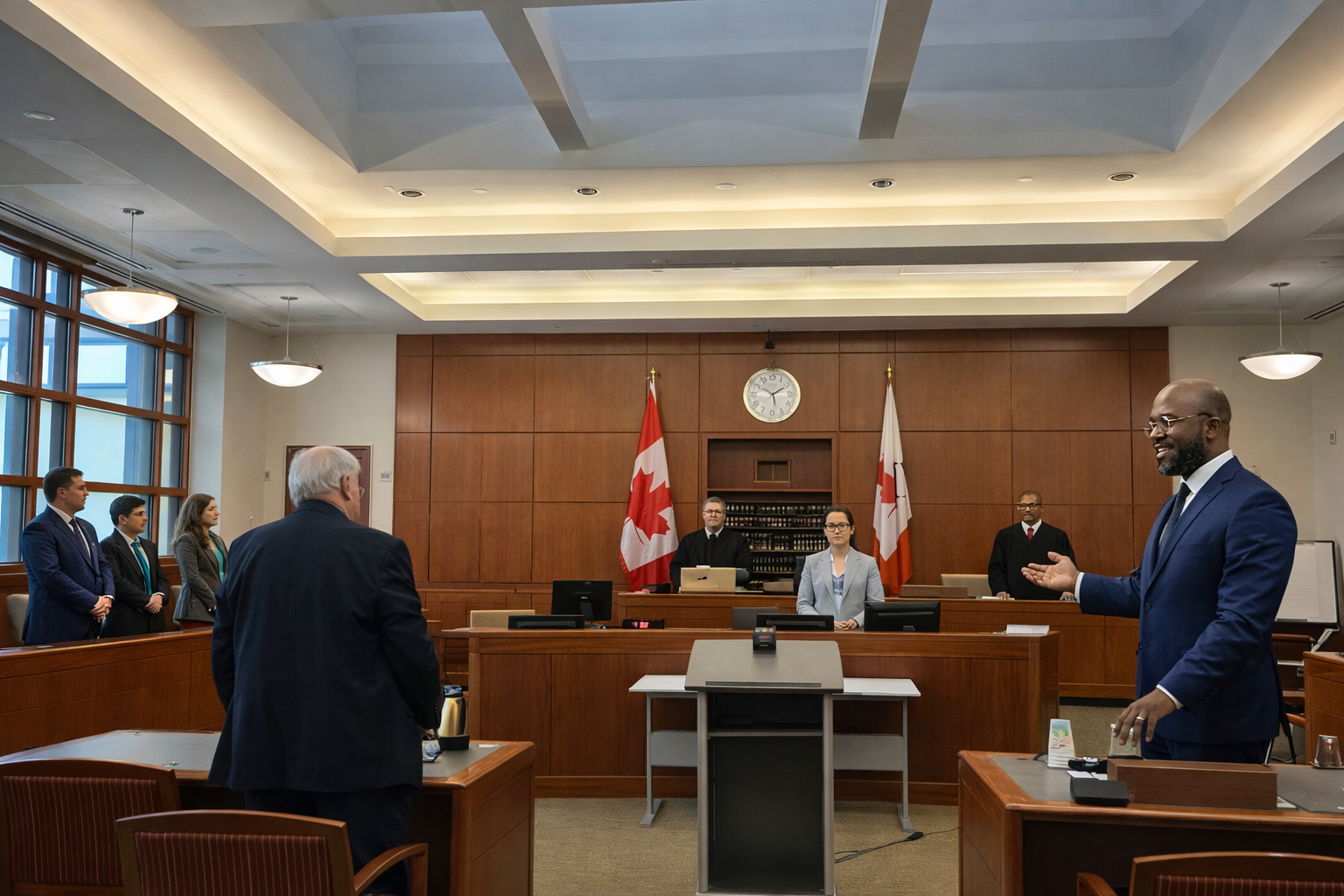
  • Conducting Hearings: The RPD holds hearings where claimants testify and present evidence. These hearings are usually private to protect the claimant and their family.
  • Assessing Evidence: Members review oral testimony, written documentation, and country condition reports to determine if the claimant faces a genuine risk upon return to their country of origin.

Eligibility for Refugee Protection

To be granted protection by the RPD, you must meet the definition of one of two categories.

1. Convention Refugee

A Convention refugee is someone who is outside their home country or country of habitual residence and cannot return due to a well-founded fear of persecution based on:

  • Race
  • Religion
  • Political opinion
  • Nationality
  • Membership in a particular social group (e.g., gender, sexual orientation)

2. Person in Need of Protection

A person in need of protection is someone currently in Canada who would be subjected personally to one of the following risks if returned to their home country:

  • Danger of torture.
  • Risk to their life.
  • Risk of cruel and unusual treatment or punishment.

The RPD Process: From Claim to Decision

The refugee claim process is strict and follows a specific sequence. Missing a step or deadline can lead to your claim being declared abandoned.

Making a Claim
You can make a claim at a port of entry (airport, land border) or inland at an IRCC office. An officer will interview you to decide if your claim is eligible to be referred to the RPD.
Basis of Claim (BOC) Form
This is the most critical document in your application. You must detail your personal history and the specific reasons why you are seeking protection.
Timeline: If you claim at a port of entry, you usually have 15 days to submit your BOC to the RPD. If you claim inland, you submit it during your eligibility interview.
Notice to Appear
Once your claim is referred, you will receive a Notice to Appear for a hearing. This document will tell you the date and time of your hearing.
The Hearing
You will appear before an RPD member.
  • You will testify about your experiences.
  • The member will ask you questions to clarify inconsistencies or gather more details.
  • Your legal counsel (if you have one) can make submissions to support your case.
  • Note: Hearings may be held in person or virtually.
The Decision
The RPD member will decide to either accept or reject your claim.
  • Positive Decision: You receive "protected person" status and can apply for permanent residence.
  • Negative Decision: You may have options to appeal to the Refugee Appeal Division (RAD) or the Federal Court, depending on the reasons for the refusal.

Critical Notes for Claimants

  • Legal Representation: The RPD process is legal in nature. Having an experienced representative is highly recommended to ensure your BOC is accurate and you are prepared for questioning.
  • Deadlines are Strict: Failure to submit your BOC form on time can result in your claim being declared abandoned, meaning you could be removed from Canada.
  • Evidence Matters: Personal testimony is important, but it must be supported by credible evidence (medical reports, police reports, human rights reports) whenever possible.
  • Refugee Claim Hearing in Canada: What to Expect: During a refugee claim hearing Canada, you will present your case before a decision-maker. Your testimony, consistency, and supporting evidence will be evaluated carefully. Working with a refugee lawyer Edmonton can significantly improve your preparation and confidence.

Local Support for Refugee Claims in Edmonton & Alberta: If you are located in Edmonton or Alberta, seeking guidance from a refugee lawyer Edmonton or an experienced immigration consultant can help you navigate the legal complexities of your RPD hearing and improve your chances of success.

Your Journey, Our Expertise

At Career Plus Immigration, we provide the compassionate legal expertise and thorough preparation needed to help you succeed at your RPD hearing. Our team assists with documentation, evidence organization, and hearing preparation to ensure your case is presented effectively and professionally. If you are in Edmonton or Alberta, our immigration consultants can guide you through the RPD process and help improve your chances of a successful outcome.

Start Your Free Assessment

Frequently Asked Questions

Express Entry
Federal Skilled Worker
Federal Skilled Trades Program
Canadian Experience Class
Express Entry
Federal Skilled Worker
Federal Skilled Trades Program
Canadian Experience Class

Callback Request

Have one of our qualified advisors contact you today.
Please keep me updated and send me information and news about Canada immigration and its Career Plus Immigration, event invitations, press references, and publications via e-mail. Detailed information on how we process your personal data can be found in IMMI NEWS' Privacy Policy, available here.
This site is protected by reCAPTCHA and the Google Privacy Policy and Terms of Service apply.